Exotic Fruit Trees
Joy Farm Nursery grows a large selection of Exotic fruit trees and food plants suitable for your garden. They bring delicious flavours, unique textures, and a tropical vibe. Most of our trees and plants thrive in a warm, humid climate making them ideally suited for tropical and subtropical areas, like the KZN South Coast. Our stock is typically grown from seed or cuttings from our mother plants and trees on the farm.
See below for the Exotic Fruit Trees at Joy Farm Nursery
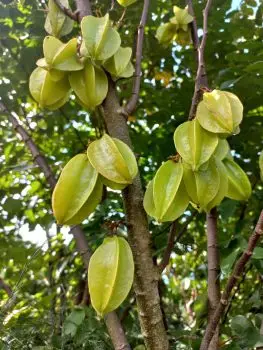
Yellow Starfruit
Averrhoa carambola
Yellow Starfruit (also known as Carambola) is a tropical fruit known for its striking star-shaped cross section and juicy, sweet-tart flavor. It’s a beautiful and productive addition to exotic gardens, perfect for fresh snacking, juicing, or garnishing.
- Tree Size: Small to Medium (3-6m tall; easily pruned for smaller gardens)
- Fruit Season: Late summer through winter (can vary slightly by climate)
- Sunlight: Full sun (at least 6 hours daily for best fruiting)
- Water Needs: Moderate - consistent moisture, but well-drained soil
- Origin: Southeast Asia
- Uses: Fresh eating, salads, juices, garnishes
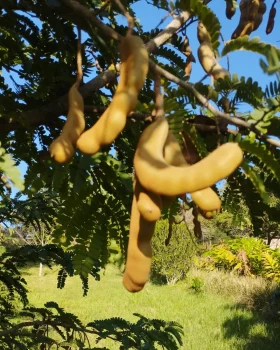
Sweet Tamarind
Tamarindus indica 'Sweet'
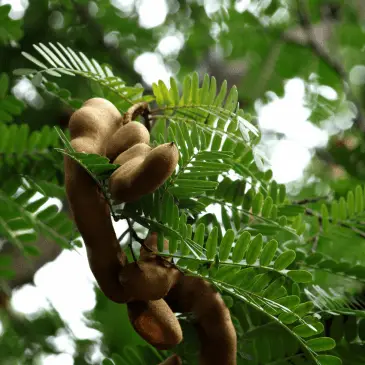
Unlike its sour relative, the Sweet Tamarind produces pods with a rich, sugary pulp that is eaten directly as a snack. This long-lived, majestic tree is a beautiful addition to any large landscape, offering both shade and delicious fruit.
- Tree Size: Large (up to 20m tall)
- Fruit Season: Late summer to winter
- Sunlight: Full sun
- Water Needs: Low to moderate - very drought tolerant
- Origin: Tropical Africa (now widespread in Asia)
- Uses: Fresh snacking, desserts, preserves, shade
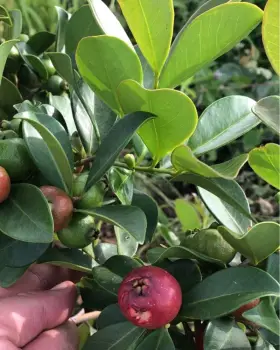
Red Cherry Guava
Psidium cattleyanum
Red Cherry Guava (also known as Chinese Guava or Strawberry Guava) is a hardy, evergreen fruit tree producing small, ruby-red fruit with a sweet, strawberry-like flavor. It’s ideal for home gardeners seeking a compact, productive tree that doubles as a beautiful landscape feature.
- Tree Size: Small (1.5-4m tall; ideal for pots or hedging)
- Fruit Season: Late summer to autumn (can fruit multiple times in warm climates)
- Sunlight: Full sun to part shade (best fruiting in full sun)
- Water Needs: Low to moderate - drought tolerant once established, prefers regular watering when fruiting.
- Origin: South America
- Uses: Fresh eating, jams, landscape hedging
Pummelo
Citrus maxima
Originating in Asia, the Pummelo is the largest citrus fruit, offering a thick rind and mild, sweet flesh. It’s delicious fresh, in salads, or candied, and valued for its refreshing juice. A must-have for citrus lovers in South Africa.
- Tree Size: Medium (up to 15m tall)
- Fruit Season: Winter to early spring
- Sunlight: Full sun
- Water Needs: Moderate - prefers consistent watering during fruiting
- Origin: Southeast Asia
- Uses: Fresh eating, salads, candied rinds, juice
Peanut Butter Fruit
Bunchosia argentea
Native to Central America, this fast-growing shrub produces small red fruits. These have a unique flavour often compared to peanut butter and jam. It’s a favourite among collectors of unusual fruit trees. A unique and tasty tropical treat that kids love, and it grows beautifully in our sunny South African climate.
- Tree Size: Small (2-4m tall; ideal for small gardens)
- Fruit Season: Summer through autumn
- Sunlight: Full sun to partial shade
- Water Needs: Moderate - consistent watering during fruiting
- Origin: Central and South America
- Uses: Fresh eating, preserves, ornamental shrub
Miracle Fruit
Synsepalum dulcificum
A small shrub from West Africa, Miracle Fruit contains a glycoprotein that temporarily makes sour foods taste sweet. It’s a novelty fruit used in flavour-altering tastings and a great conversation starter for any plant enthusiast’s collection.
- Tree Size: Small (up to 5m); ideal for small gardens
- Fruit Season: Multiple crops per year in warm climates
- Sunlight: Partial shade to full sun
- Water Needs: High - prefers acidic, moist soil
- Origin: West Africa
- Uses: Flavour tripping, medicinal, novelty fruit
Jaboticaba
Plinia cauliflora
Native to Brazil, Jaboticaba or Brazilian Grape Tree, is unique for its fruit that grows directly on the trunk. The dark purple, grape-like fruits are sweet and used in wines, jams, and fresh eating. A slow-growing but unique and rewarding tree for any collector.
- Tree Size: Small to Medium (3-12m tall)
- Fruit Season: Sporadic (can fruit multiple times a year)
- Sunlight: Full sun to partial shade
- Water Needs: High - thrives with frequent watering
- Origin: Brazil
- Uses: Fresh eating, wines, jams, liqueurs
Giant Passionfruit
Passiflora quadrangularis
Native to South America, Giant Passionfruit produces large, fragrant fruits with a tangy-sweet pulp. The vine is valued for its ornamental flowers and edible fruit. It’s a vigorous grower that quickly covers fences and trellises with lush greenery.
- Tree Size: Vigorous climbing vine
- Fruit Season: Late summer to autumn
- Sunlight: Full sun
- Water Needs: Moderate - regular watering, well-drained soil
- Origin: Tropical South America
- Uses: Juices, desserts, ornamental vine, edible rinds
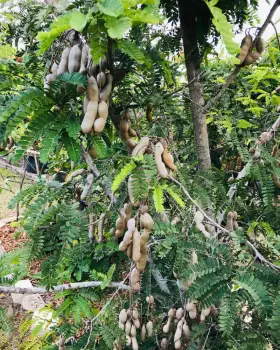
Tamarind
Tamarindus indica
Tamarind is a long-lived tropical tree known for its curved brown pods filled with tangy, pulp-covered seeds. The unique sweet-sour flavor of tamarind pulp makes it a prized ingredient in culinary dishes, drinks, and traditional remedies.
- Tree Size: Large (can reach 12–25m tall; wide canopy)
- Fruit Season: Late spring / early summer (pods mature 6–8 months after flowering)
- Sunlight: Full sun
- Water Needs: Low to moderate — drought-tolerant once established
- Origin: Tropical Africa
- Uses: Sour fruit pulp used in curries, chutneys, sauces, drinks, sweets, and traditional herbal preparations
More of our amazing exotic fruit trees at Joy Farm